Qwen Image 2.1 Pro — Create with Qwen Image 2.1 Pro

Turn written ideas into images or develop existing visuals with Qwen Image 2.1 Pro. Create in 1K, 2K or 4K and combine up to 10 references for product scenes, portrait styling, cinematic posters and iterative image editing.

Open image workspace
Image editing: develop the assets you already have

Qwen Image 2.1 Pro for image generation and reference-based editing

Text to image: turn a brief into a useful starting point

Begin with the purpose of the image, then describe its subject, setting and composition. A store image, campaign poster and video concept need different framing, even when they share the same product or character. Specify light, materials, colors and the exact words that should appear.

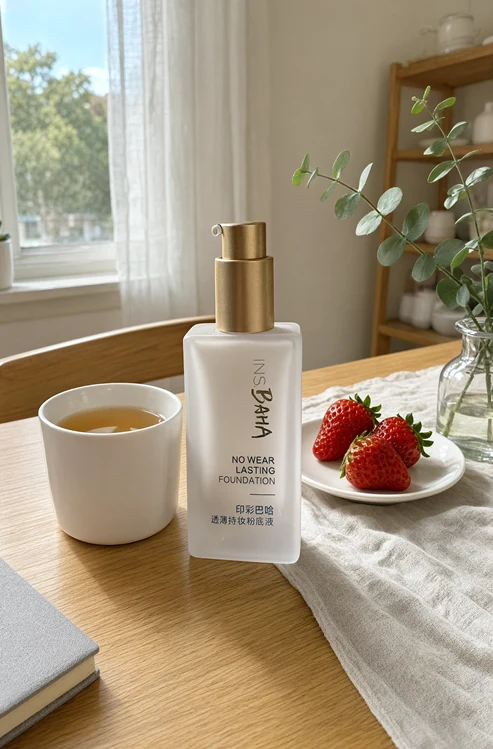
Replace vague requests such as “make it beautiful” with visible decisions: a centered bottle with its label facing the camera, soft window light and empty space on the right for a headline. A clear layout gives later design work a more useful foundation.

Image editing: develop the assets you already have

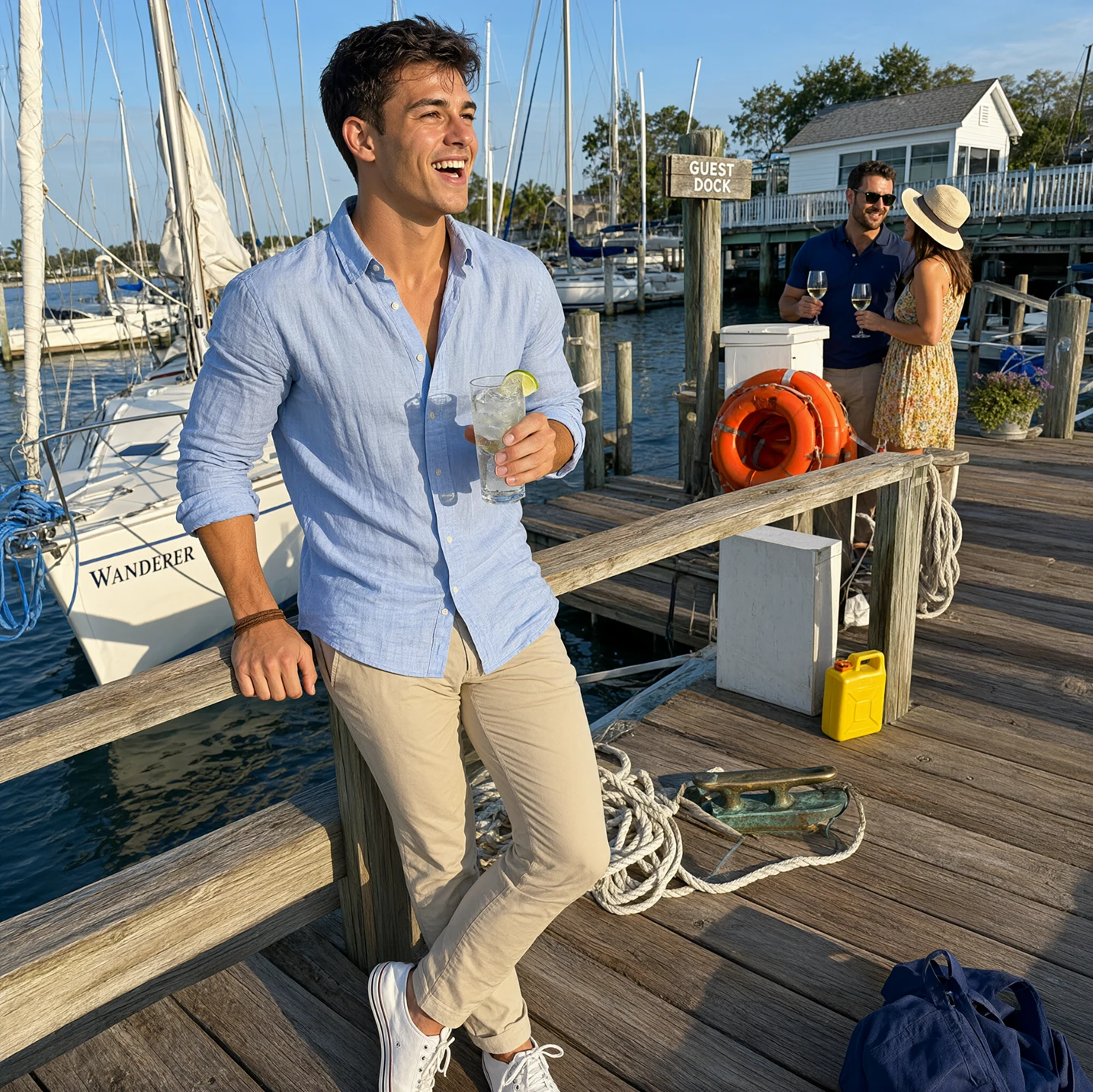
Start with a product photograph, portrait or existing composition when recognizable details matter. Assign each reference a role: identity, clothing, accessory, product or environment. The model supports up to 10 references, allowing several visual sources to contribute to one brief.

Describe both the change and the preservation requirements. Replace the background while keeping the package shape and label, or change a jacket color while preserving the face and pose. This makes an edit easier to review than an open-ended request to improve the entire image.

Why create with Qwen Image 2.1 Pro?

Plan image detail, reference roles and 4K delivery around your product, portrait or poster project.

Give portraits and product materials a clear visual direction

Describe lighting and texture as visible choices: soft window light, natural skin detail, controlled reflections on glass or fine fabric texture. These directions help turn a general aesthetic preference into a brief you can assess.

For a product campaign, keep the subject and composition steady while exploring a studio setting, plant shadows or a warm evening scene. Compare one visual variable at a time to decide which direction fits a storefront, advertisement or social post.

Give portraits and product materials a clear visual direction

From 1K drafts to 4K images

Explore composition and color in 1K, then choose 2K or 4K when your project needs more room for clothing textures, product surfaces or poster details. Set the aspect ratio separately to prepare square product images, landscape banners or portrait visuals.

Describe the shot size, focus and materials in your prompt. Inspect edges, typography and textures at full size after downloading, then crop and lay out the image for its intended display.

From 1K drafts to 4K images

Assign a role to each of up to 10 references

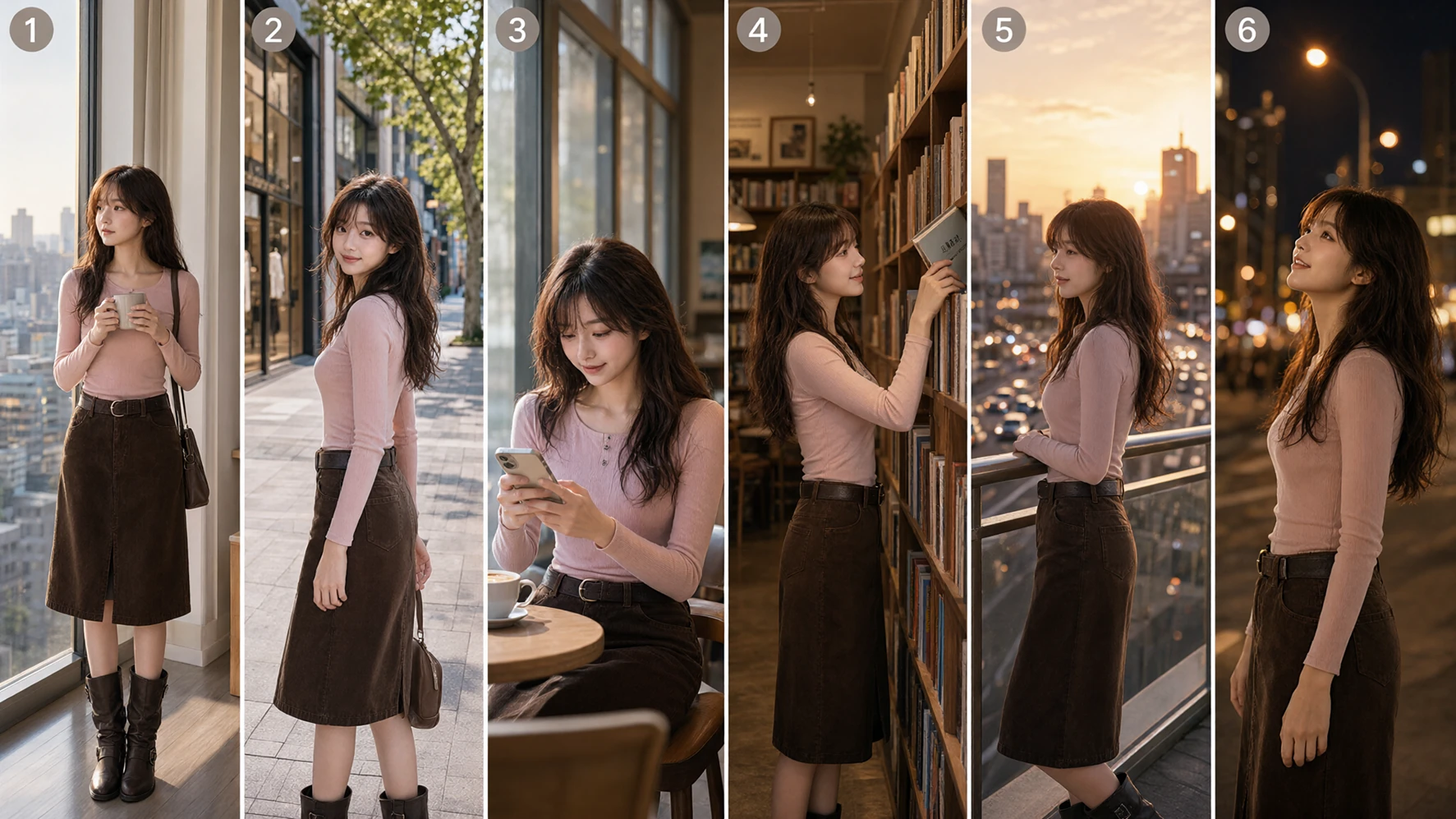
Multiple inputs can provide a person, clothing, accessories, products and an environment. For a styling concept, image 1 might define identity, image 2 the jacket and image 3 a handbag. Match those numbers to the upload order.

State which source takes priority when inputs conflict. More images are not automatically better: use clear, compatible references and avoid asking different people, backgrounds or color schemes to define the same part of the composition. Start with the smallest set that explains the task.

Assign a role to each of up to 10 references

Tell a visual story with cinematic poster composition

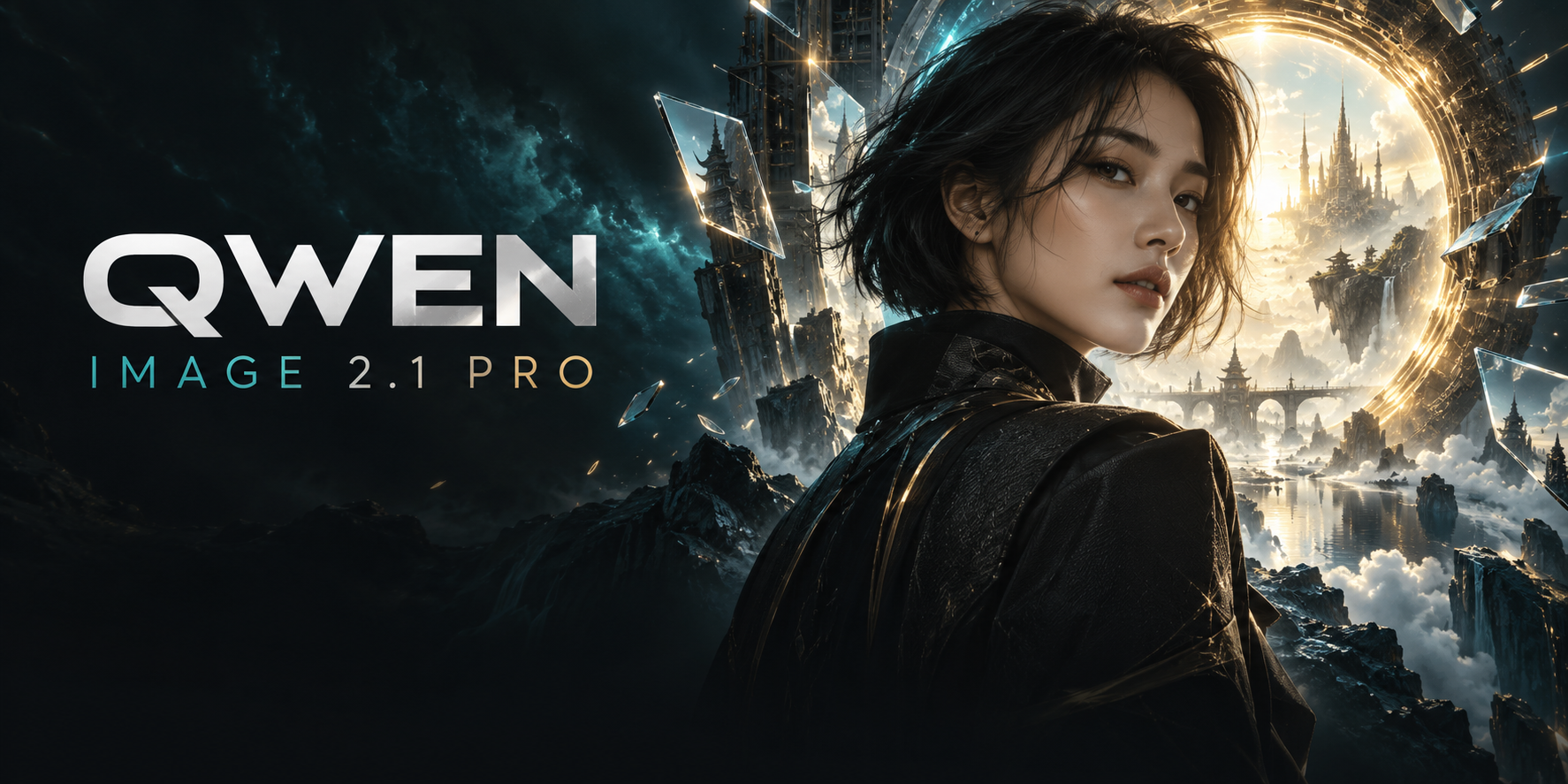
Build a poster around a clear visual center, with foreground depth, atmosphere and space for a title. Contrasting warm and cool light, rim lighting and haze can help establish a scene without placing every element on the same plane.

Use 16:9 or 21:9 for landscape promotional art and 2:3 or 9:16 for portrait posters. Add character or wardrobe references, then specify camera angle, expression and setting. Plan the title position together with the image for an effective promotional layout.

Tell a visual story with cinematic poster composition

Keep recognizable people and products in view

Reference-based work can guide a series around the same subject. Specify the face shape, hairstyle or wardrobe to preserve, or describe the product silhouette, material, colors and label that should stay recognizable while the setting changes.

Save an approved image before refining it again and change one group of details per round. This makes identity drift or packaging changes easier to notice. Inspect faces, logos, label text and product structure against the original before using important commercial assets.

Keep recognizable people and products in view

Plan poster text and image layout together

Write the exact headline and labels, then describe hierarchy, contrast, position and empty space. Text belongs to the composition, so decide where it sits before filling every part of the image with visual detail.

Start with a short title and a few labels. Once the main layout works, add supporting information in a later version. Check spelling, punctuation, numbers, repeated words and line spacing in the output. Charts also need a separate review of the data and the relationships they show.

Plan poster text and image layout together

Creation and output options

Choose aspect ratio, resolution and references for the intended use. Establish composition first, then select delivery detail; the credit quote appears before submission.

CapabilityQwen Image 2.1 ProWhen to use it
Resolution1K / 2K / 4KExplore composition and color in 1K, then choose 2K or 4K when your project needs more room for clothing textures, product surfaces or poster details.
References10Image editing accepts up to 10 JPG, PNG or WebP references, each up to 30 MB.
Aspect ratioauto + 14Choose auto or 1:1, 2:3, 3:2, 1:4, 4:1, 3:4, 4:3, 4:5, 5:4, 1:8, 8:1, 9:16, 16:9 or 21:9.
Prompt20,000Specify the subject, view, light, materials and exact text.
DownloadPNG imageDownload completed images from the workspace.
Credits1K: 2 · 2K: 4 · 4K: 5Check the credit quote before submitting.

How to use Qwen Image 2.1 Pro

Choose a mode, organize your references and visual direction, select an output size, then save and refine the result.

  1. 01

    Choose the starting point

    Use text-to-image when starting without source material. Choose editing when a person, product or layout needs to be preserved. Decide whether the image is for a store, poster, social post or storyboard so the brief has a consistent purpose.

  2. 02

    Describe the image and references

    Specify the subject, view, light, materials and exact text. Number references and explain their roles. State what should change and what must remain recognizable, placing the most important requirement first instead of repeating broad adjectives.

  3. 03

    Resolution / Aspect ratio

    Choose 1K, 2K or 4K and an aspect ratio suited to the project. Square images suit products and avatars, landscapes suit banners and portrait formats suit posters. Leave space for titles and complete subject outlines.

  4. 04

    Review and refine the result

    Check the credit quote before submitting. Review faces, hands, labels and text, download the version you like, then use it as a reference for the next edit. Change one group of details at a time to preserve the chosen direction.

Where Qwen Image 2.1 Pro fits

Choose a specific task, then use reference roles and editing instructions to guide the creative direction.

1

Ecommerce product scenes

Explore studio, lifestyle and seasonal settings for store images, detail pages and promotional banners. Anchor the package shape and brand colors with a reference, then inspect the label and product structure against the real item.

2

Portrait styling and character concepts

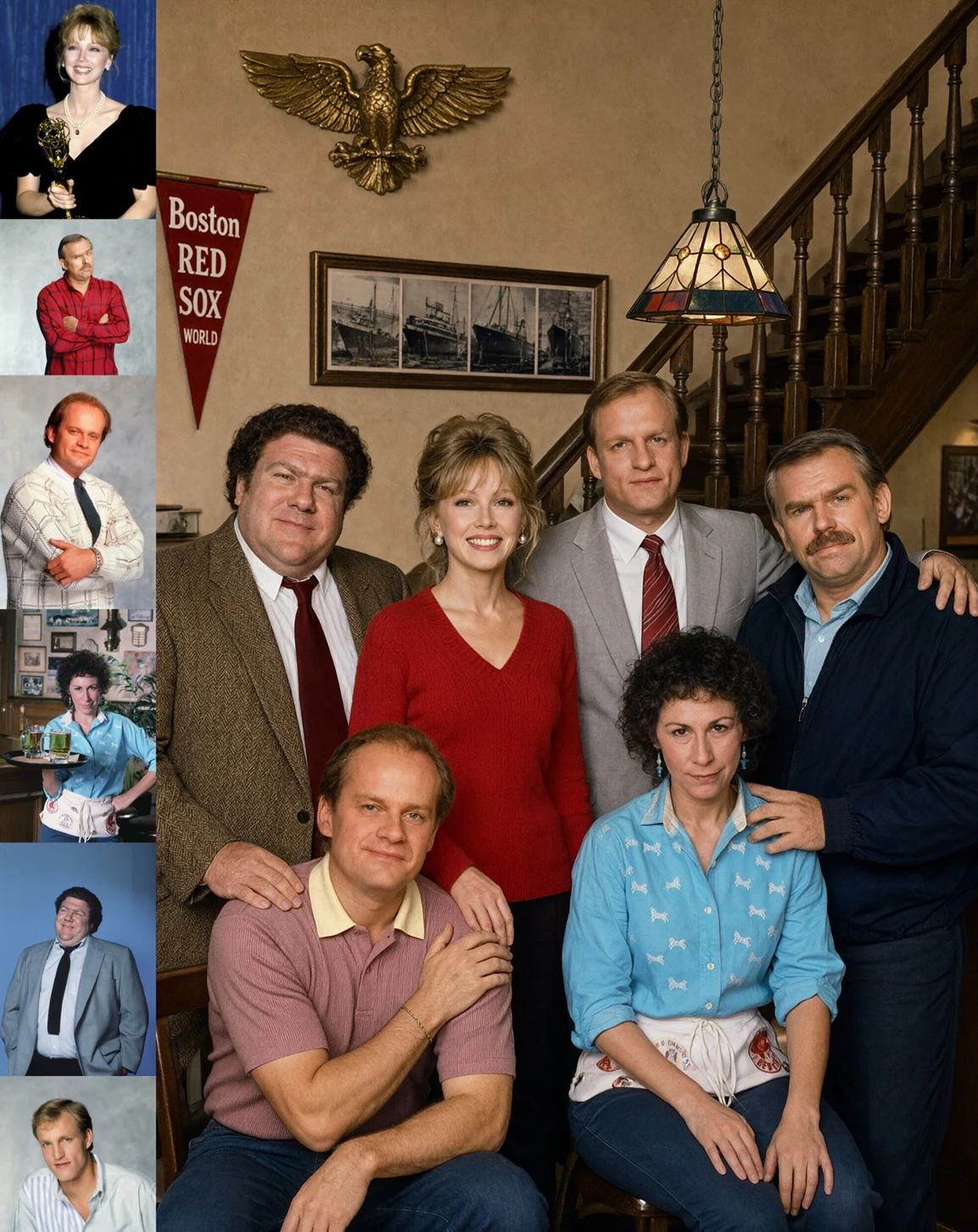
Separate identity from clothing, accessories and environment when developing a profile image or a series of creator visuals. Describe the face and hairstyle to preserve, then compare identity and pose after each edit.

3

Character illustrations and visual assets

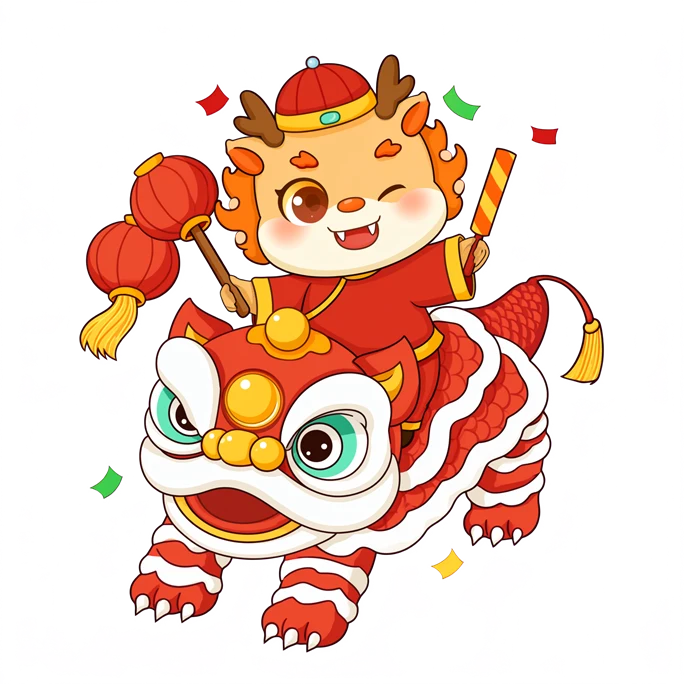
Prepare character illustrations and scenes for websites, presentations and videos. Define style, pose and palette, assign people, clothing and environments to your references, then choose the ratio and detail needed for the layout.

4

Campaign posters and social visuals

Plan the hero subject, exact headline and supporting empty space together. Develop one base direction before changing lighting, background or hierarchy. Review dates, amounts and brand wording manually before publishing.

5

Interior and spatial concepts

Combine room, furniture and color references to discuss a living area, workspace or display. Describe placement, scale and light. Use the image to explore a direction; rely on measured plans for real dimensions.

6

Storyboards and information graphics

Organize a character and setting into visual concepts, or describe headings, labels and diagrams for presentations and tutorials. Review any precise workflow, data or text before treating the draft as a finished asset.

Frequently asked questions

What is Qwen Image 2.1 Pro?

Qwen Image 2.1 Pro is an image creation product in the Wan workspace. It supports text-to-image, reference-based editing, up to 10 reference images and 1K, 2K or 4K output for product scenes, portraits, posters and character artwork. Saved images can be reused for further editing.

Should I use text-to-image or image editing?

Start from text when you are inventing a scene, illustration or poster without source material. Use editing when an existing person, product or layout should stay recognizable. Describe the new result and the preservation requirements together, such as changing a background while keeping the package, label and colors.

How many reference images can I upload?

Image editing accepts up to 10 JPG, PNG or WebP references, each up to 30 MB. Explain the role of each image in upload order, such as the person, outfit, product or background.

Can I change only one part of an image?

Describe the target object, its location and the intended change, together with the areas to preserve. A circled or marked reference can help explain a small region. Inspect both the edit and its surroundings afterwards: a local instruction does not promise pixel-for-pixel preservation everywhere else.

Which aspect ratios are available?

Choose auto or 1:1, 2:3, 3:2, 1:4, 4:1, 3:4, 4:3, 4:5, 5:4, 1:8, 8:1, 9:16, 16:9 or 21:9. Try 1:1 for products, 2:3 or 9:16 for portrait posters, and 16:9 or 21:9 for landscape promotional art.

Does it support 4K output?

Yes. Choose 1K, 2K or 4K. Start with 1K to check composition, then use 2K or 4K for a more detailed version. The aspect ratio affects the final width and height; view and download the completed image from the results.

Can it create Chinese or English poster text?

Chinese and English prompts are supported, and text-led design is a suitable creative task. Supply the exact wording, hierarchy and position instead of requesting a vague slogan. Review spelling, numbers, punctuation and spacing. For long copy that must be exact, complete the final typography in a design tool after choosing the visual direction.

Can it preserve faces, products and logos?

Clear references and explicit preservation instructions help guide recognizable features, but fidelity varies by task. Describe the face, hairstyle, package, label or logo to retain and compare the output with the source. Commercial assets need particular attention; complete reproduction of every detail is not guaranteed.

How do I refine an image over several rounds?

Save the latest approved image and use it as the next reference. Change one group of details per round, such as the background, then lighting, then a local object. Keep the original and earlier outputs so you can notice identity, layout or text drift and return to a better version if necessary.

How do I save and edit an image again?

Download completed images from the workspace. PNG is the default output for further layout and editing. Save the version you like, upload it as a reference and describe the background, lighting or detail you want to change.
Ready to create your next image?

Turn written ideas into images or develop existing visuals with Qwen Image 2.1 Pro. Create in 1K, 2K or 4K and combine up to 10 references for product scenes, portrait styling, cinematic posters and iterative image editing.

Open image workspace
Wan video workspace