01
Rich content and complex layouts
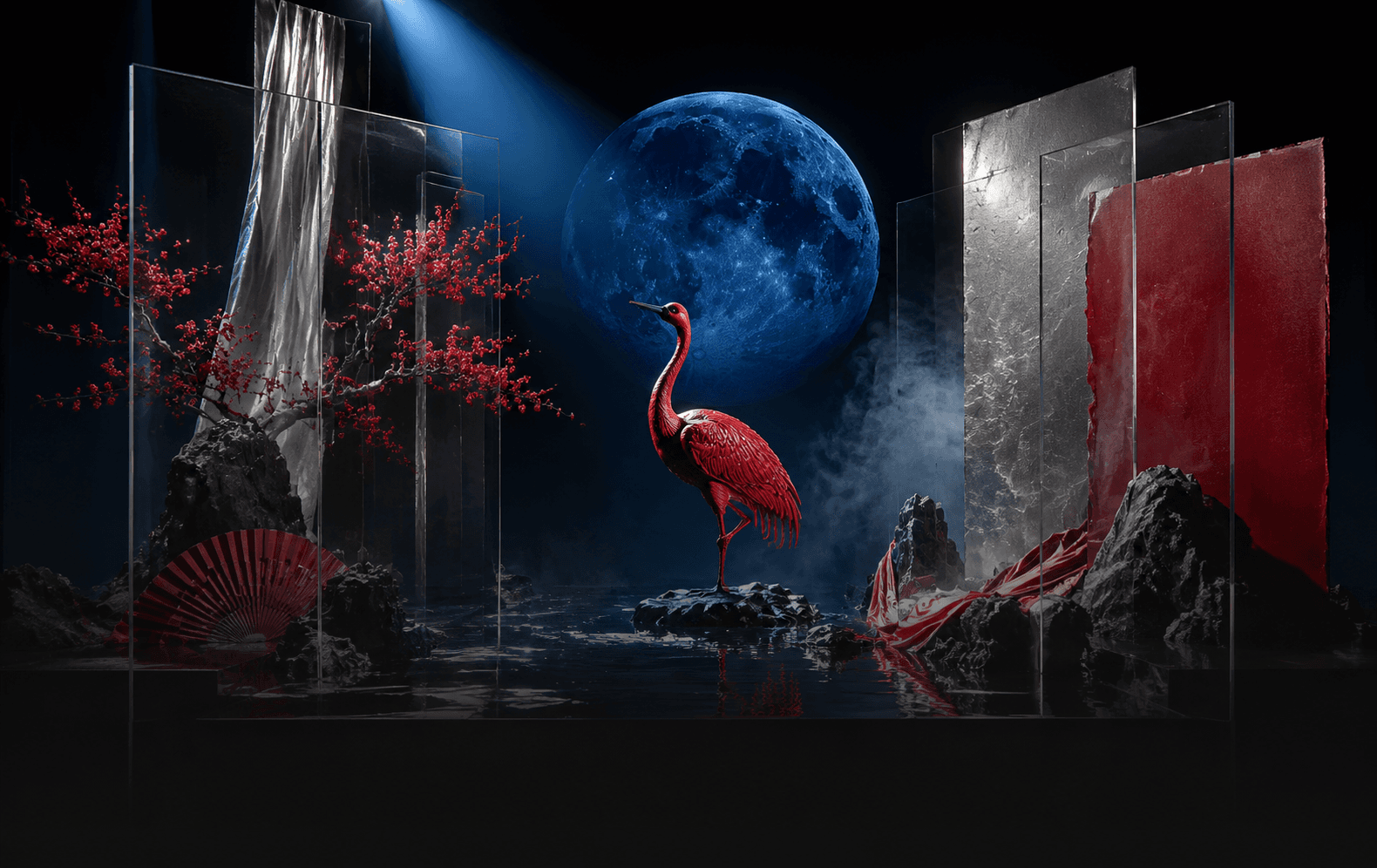
Use detailed prompts to organize headlines, paragraphs, panels, diagrams, tables, and visual elements for newspapers, storyboards, reports, interfaces, and infographics.
Qwen Image 3.0 is Wan 3.0's four-mode image workflow for realistic visuals, structured layouts, detailed materials, and readable typography. Choose standard or Pro text-to-image, or edit with one to three reference images in standard or Pro image-to-image, then export in 1K or 2K as PNG or JPEG.
Interactive image workspace
Start from a text prompt or reference images, then choose the generation mode, resolution, aspect ratio, format, and editing direction without leaving the model page.
1K: 3 credits / image × 1 image, rounded up for the estimate.

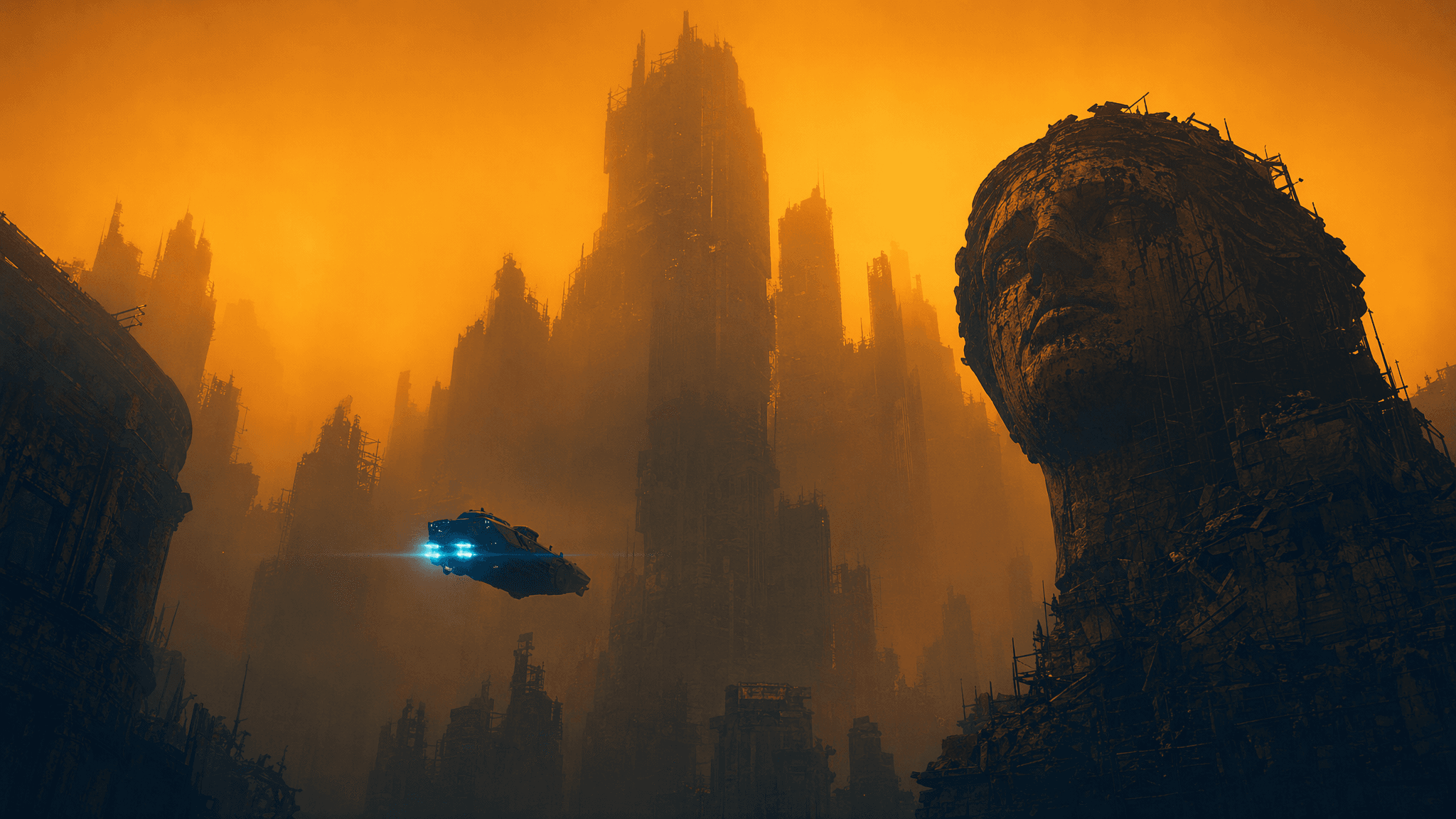
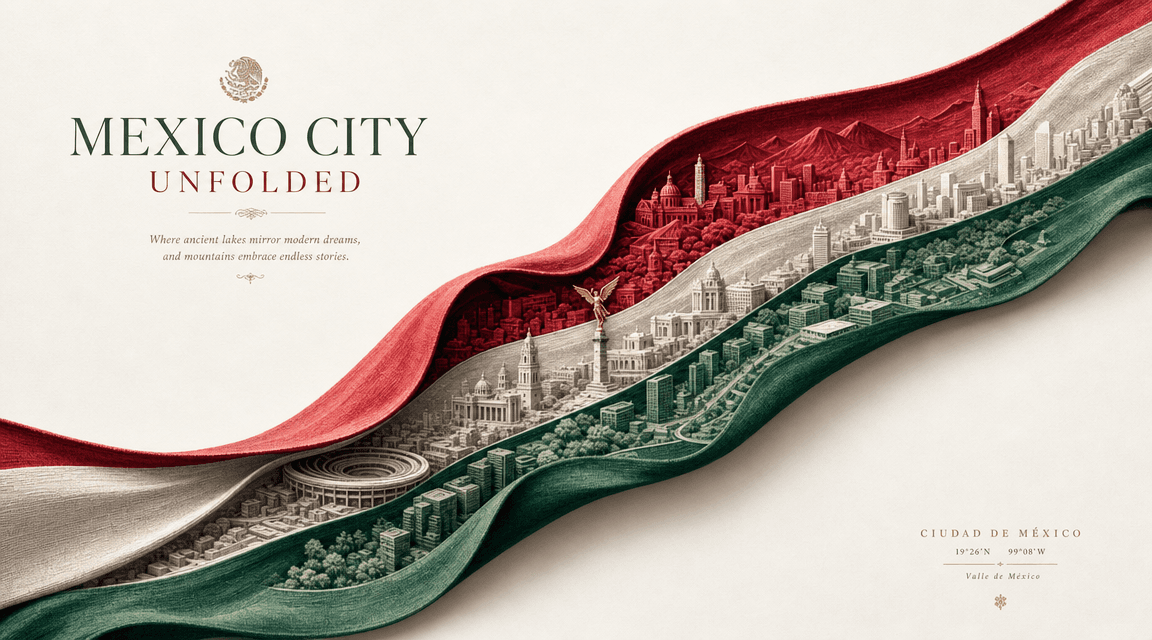
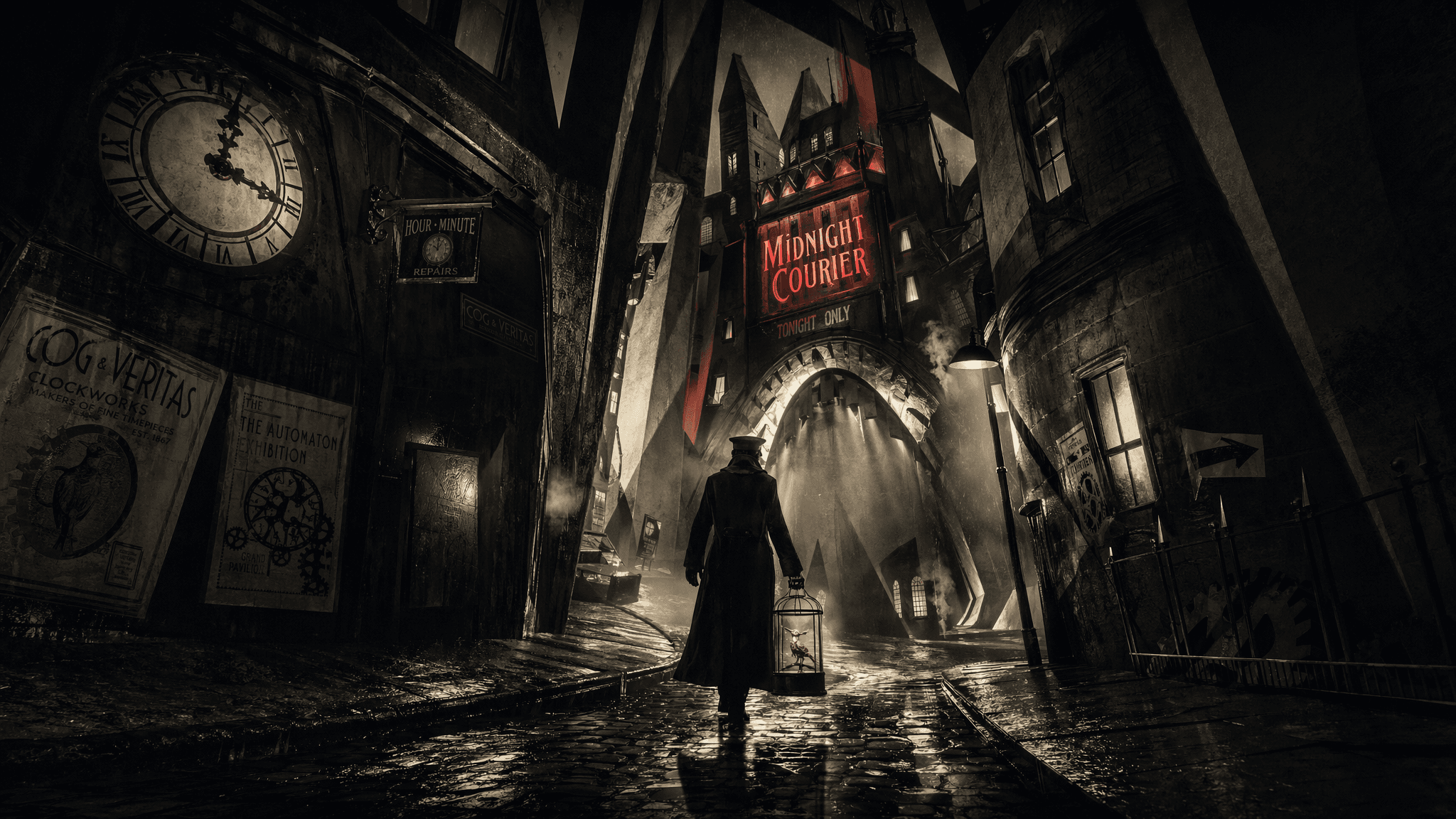
Image model overview
Qwen Image 3.0 is Wan 3.0's four-mode image workflow for realistic visuals, structured layouts, detailed materials, and readable typography. Choose standard or Pro text-to-image, or edit with one to three reference images in standard or Pro image-to-image, then export in 1K or 2K as PNG or JPEG.
Choose a Qwen Image 3.0 mode according to whether the task starts from text or one to three source images and whether the project needs the Pro workflow.
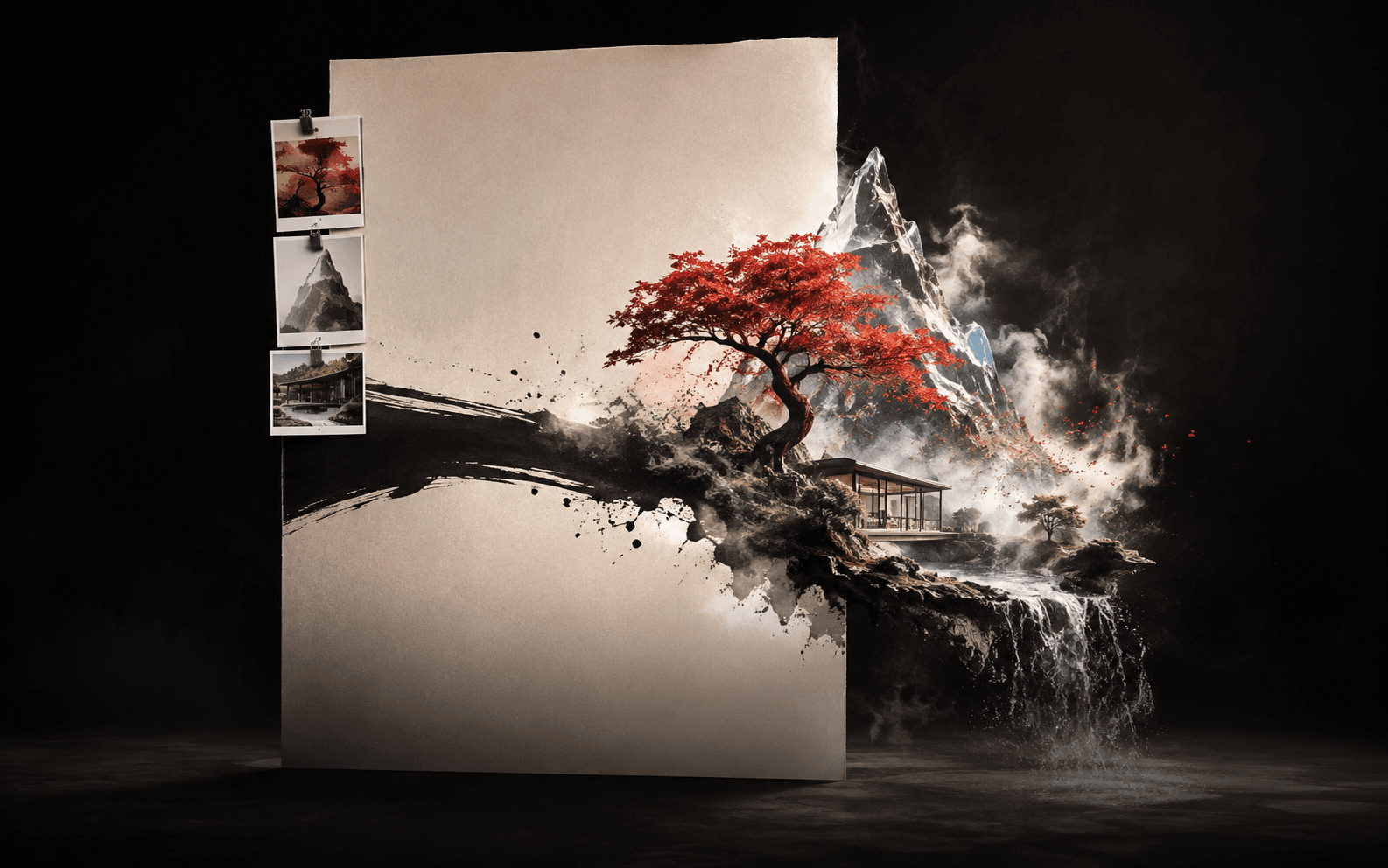
Product Features
Qwen Image 3.0 is Wan 3.0's four-mode image workflow for realistic visuals, structured layouts, detailed materials, and readable typography. Choose standard or Pro text-to-image, or edit with one to three reference images in standard or Pro image-to-image, then export in 1K or 2K as PNG or JPEG.
Use detailed prompts to organize headlines, paragraphs, panels, diagrams, tables, and visual elements for newspapers, storyboards, reports, interfaces, and infographics.
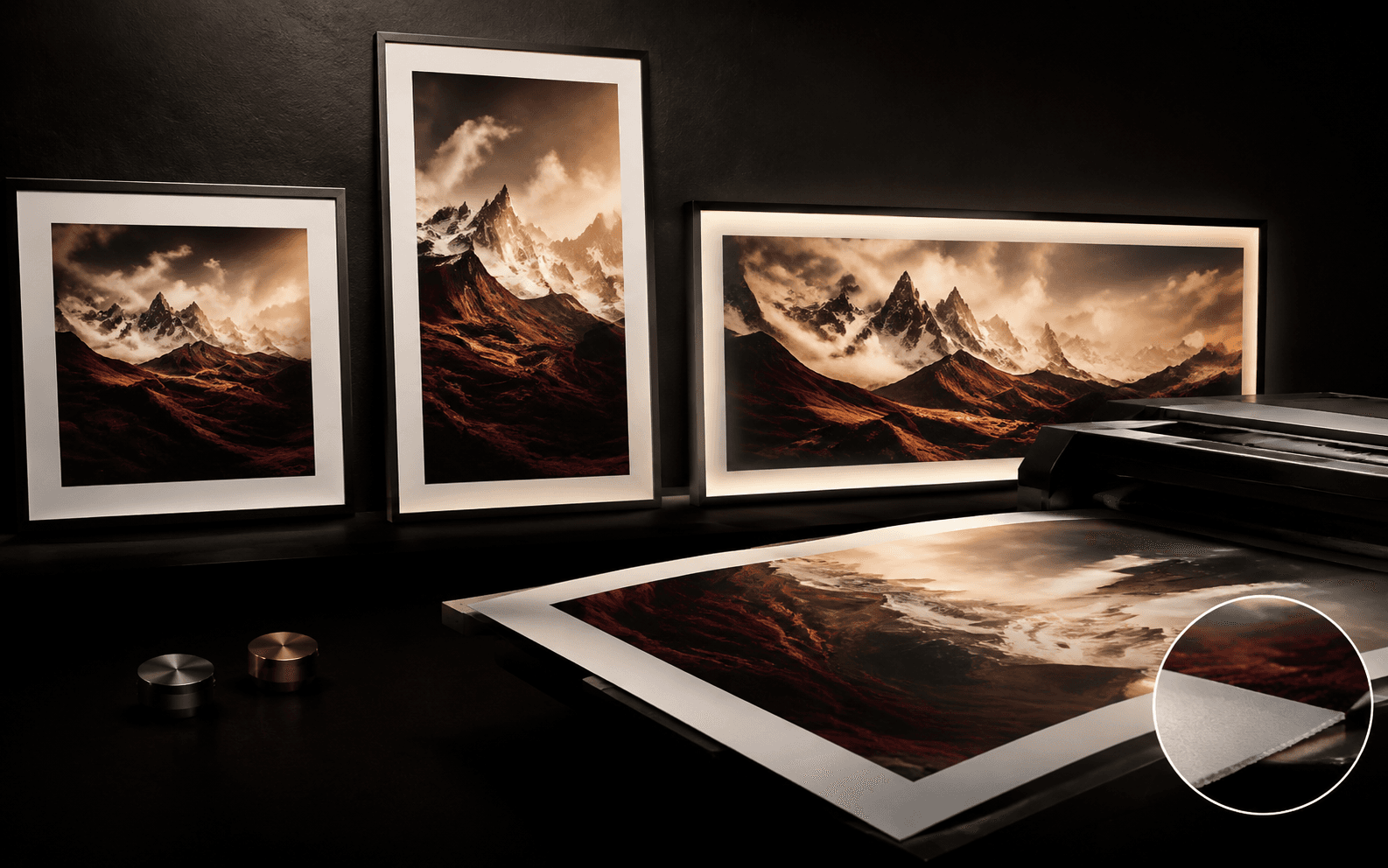
Generate fine textures, natural skin and hair, material detail, product surfaces, and readable text for content where visual accuracy and type quality matter.

Build visuals that combine world knowledge, structured information, and multilingual text for education, publishing, commerce, interfaces, and international campaigns.
Image creation workflow
Choose a mode, organize prompts and references, configure the output, then review typography, layout, identity, and visual detail.
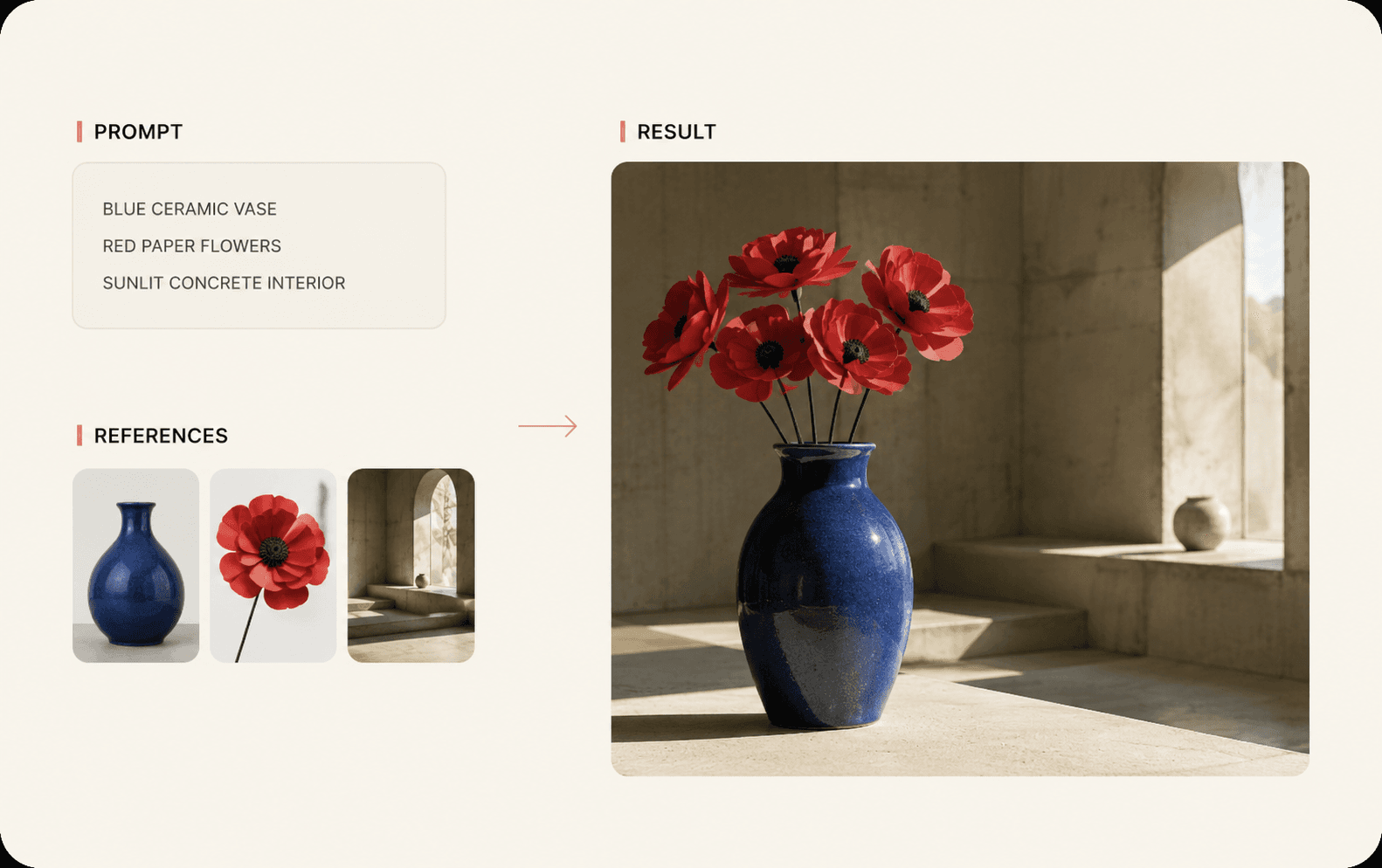
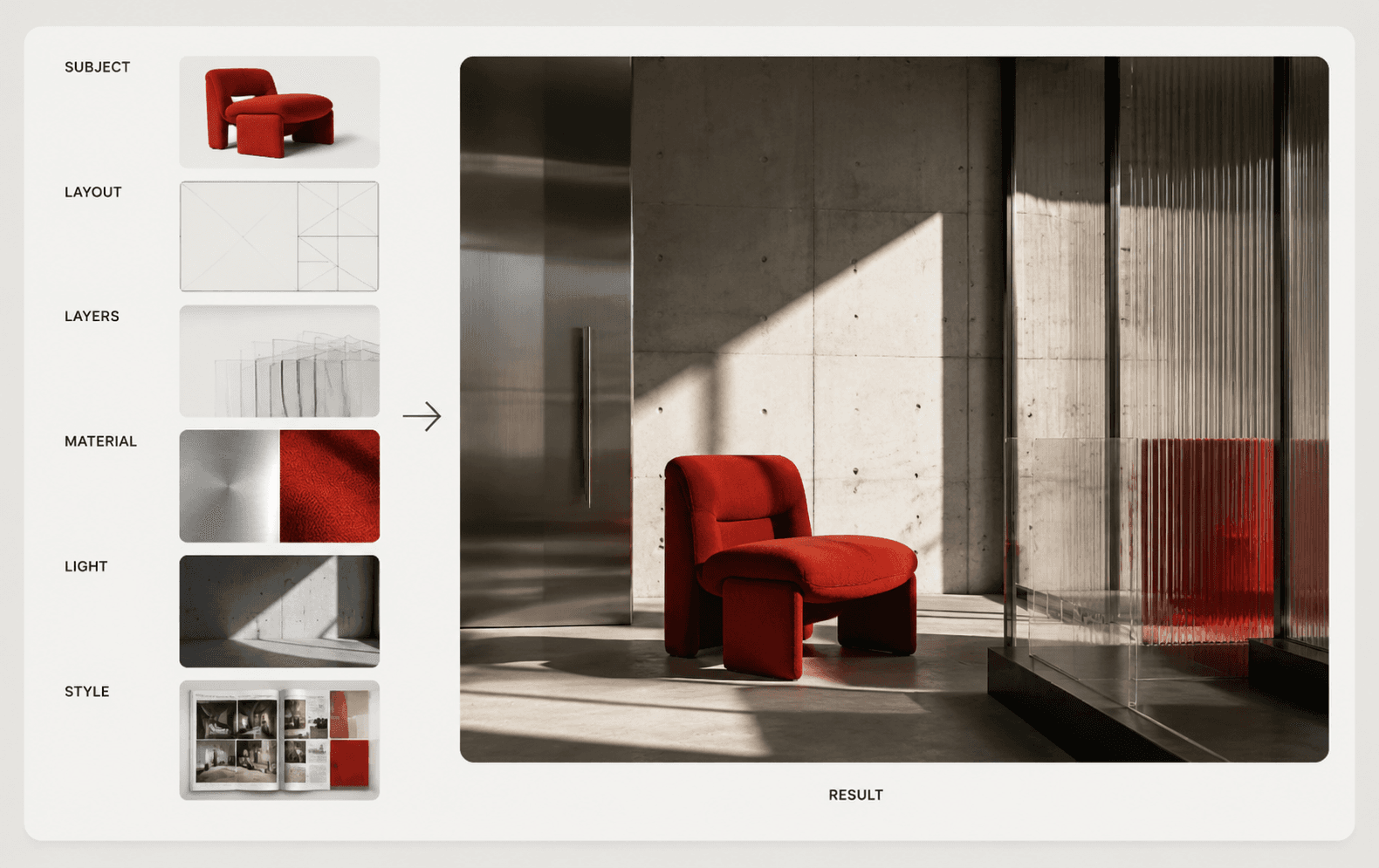
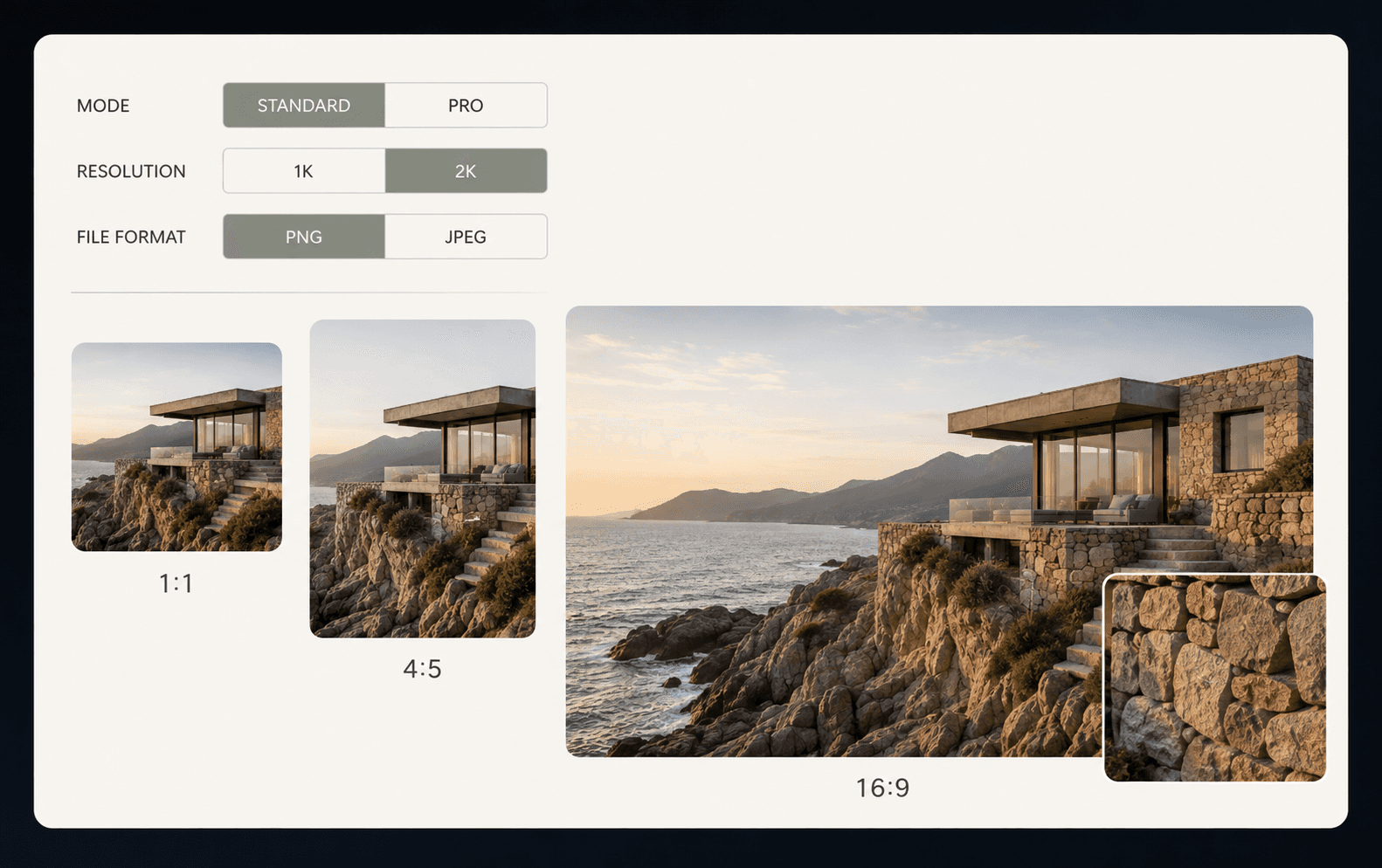
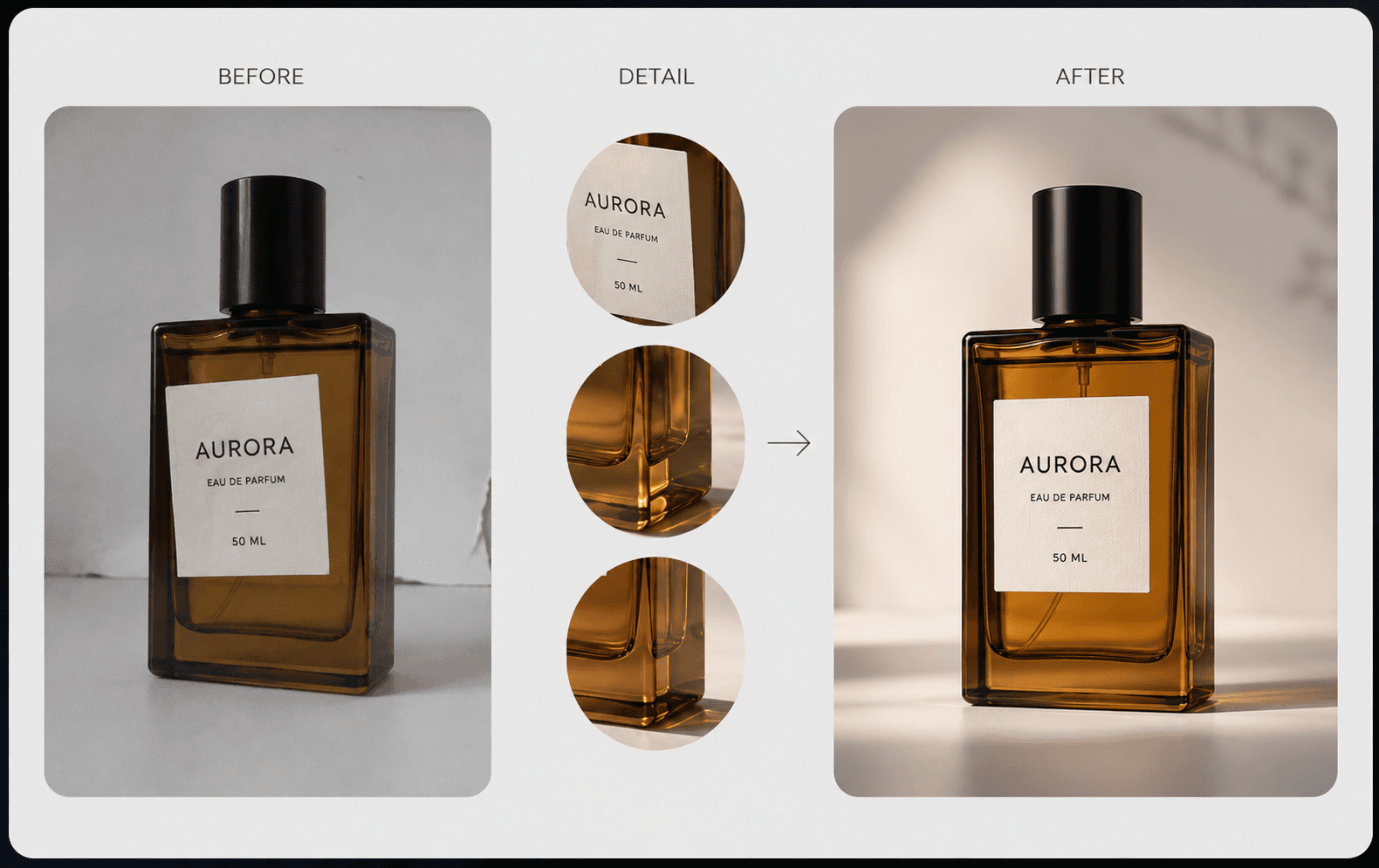
Qwen Image 3.0 brings complex instruction following, readable typography, realistic detail, and reference-led editing into one image model for both exploration and finished visual production.
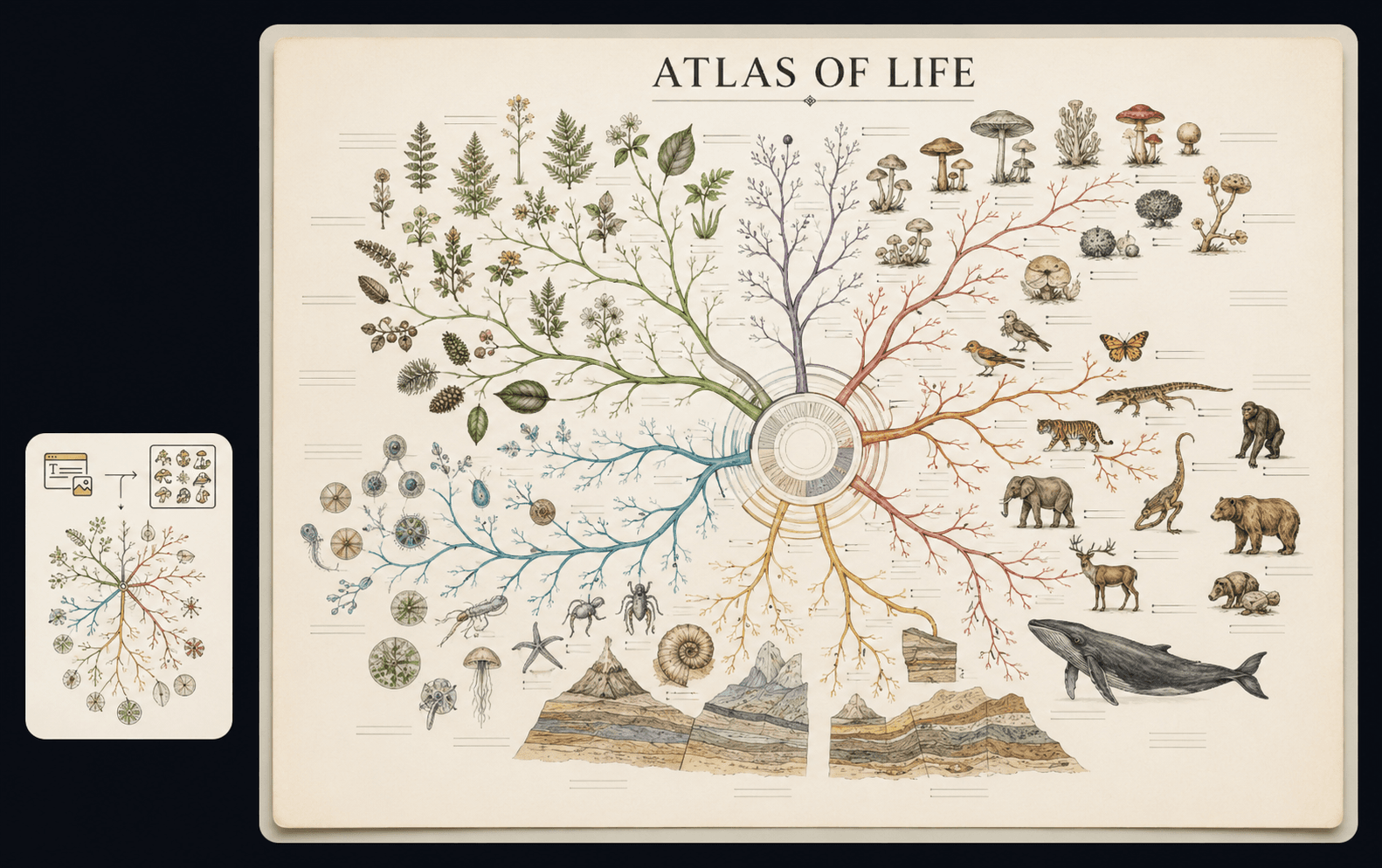
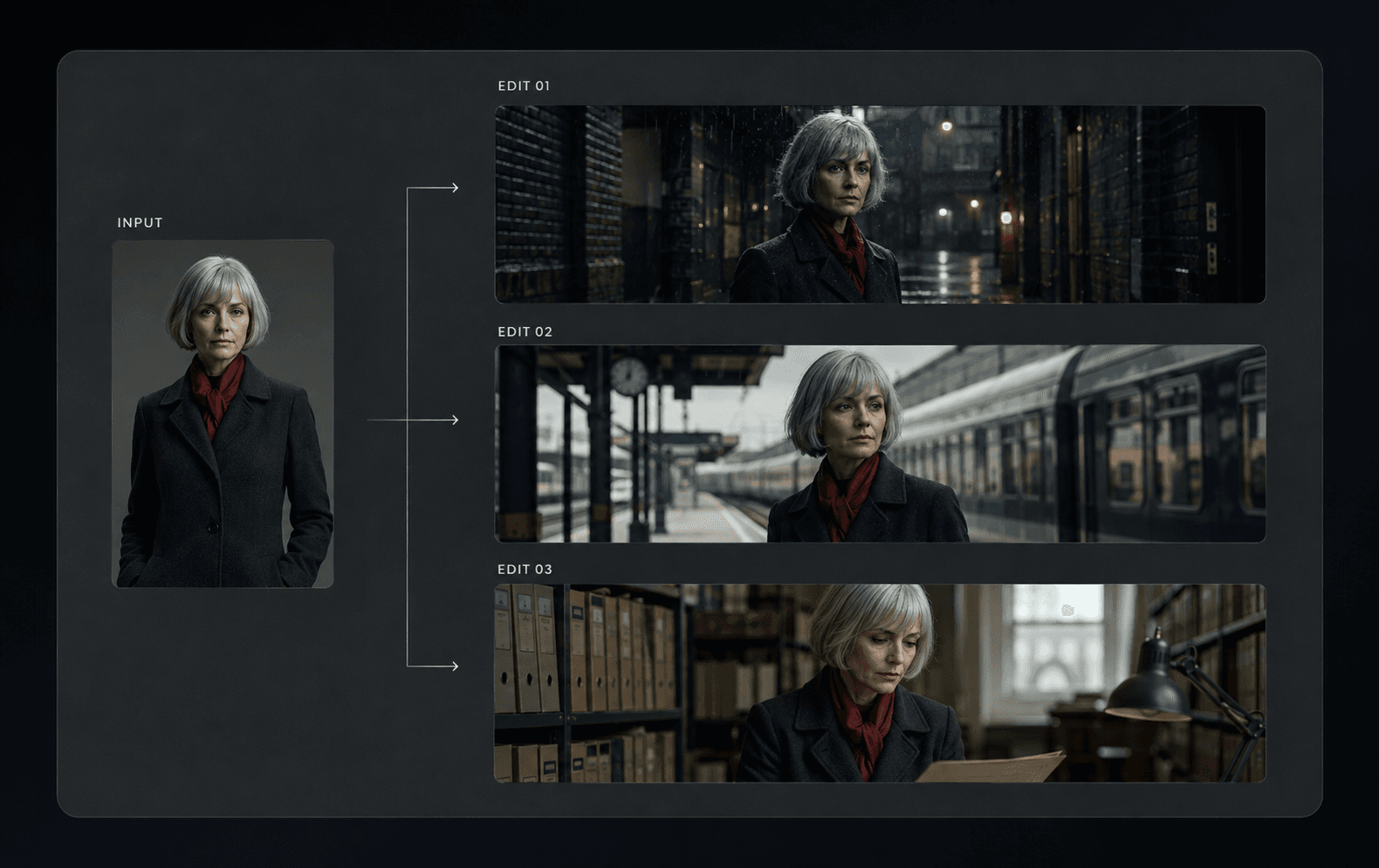
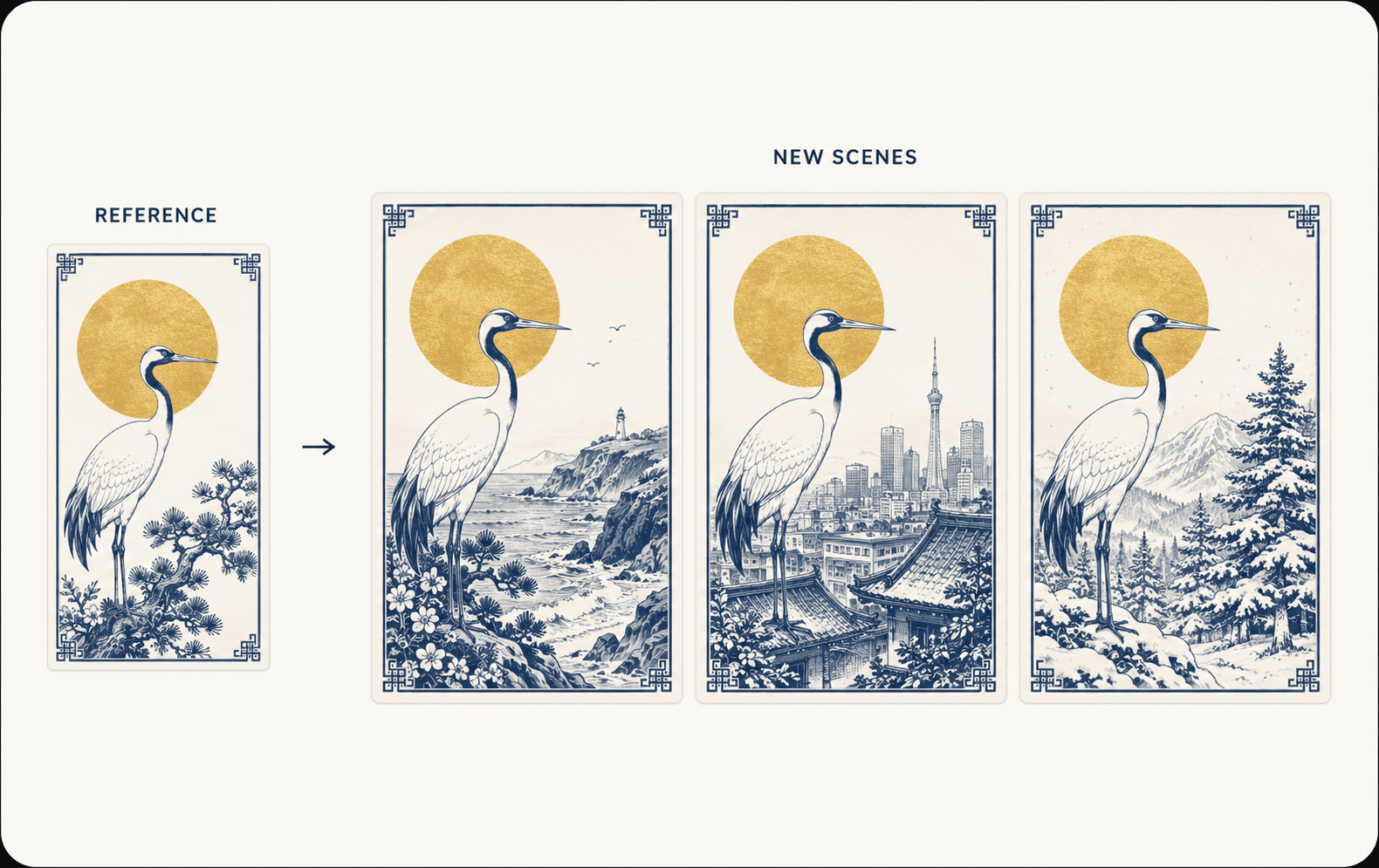
Turn complex information into practical visuals for documents, storyboards, interfaces, education, commerce, and scalable content products.
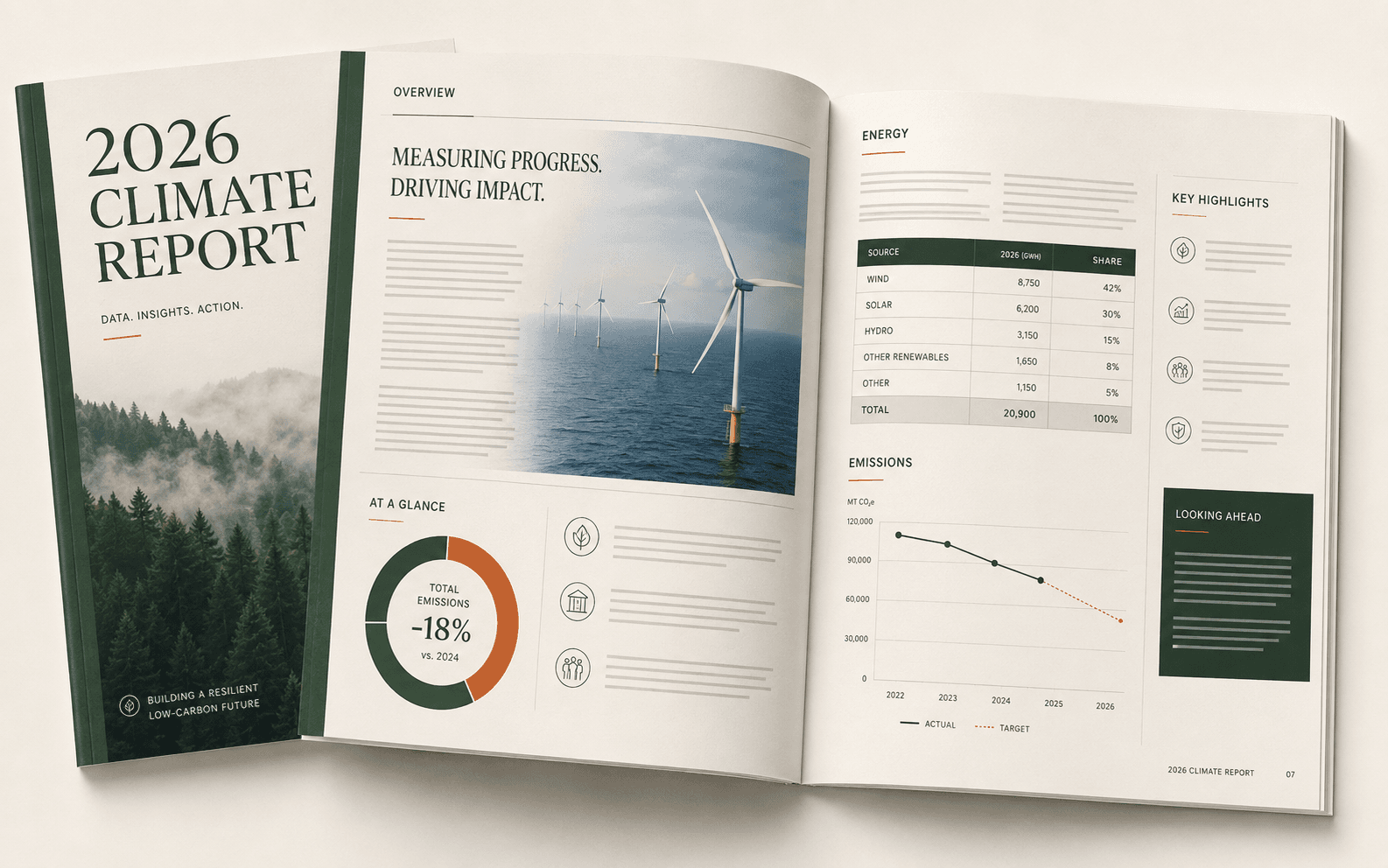
Generate editorial pages for newspapers, magazines, and reports with readable small text, charts, tables, structured sections, and layouts ready for PDF workflows.
Try now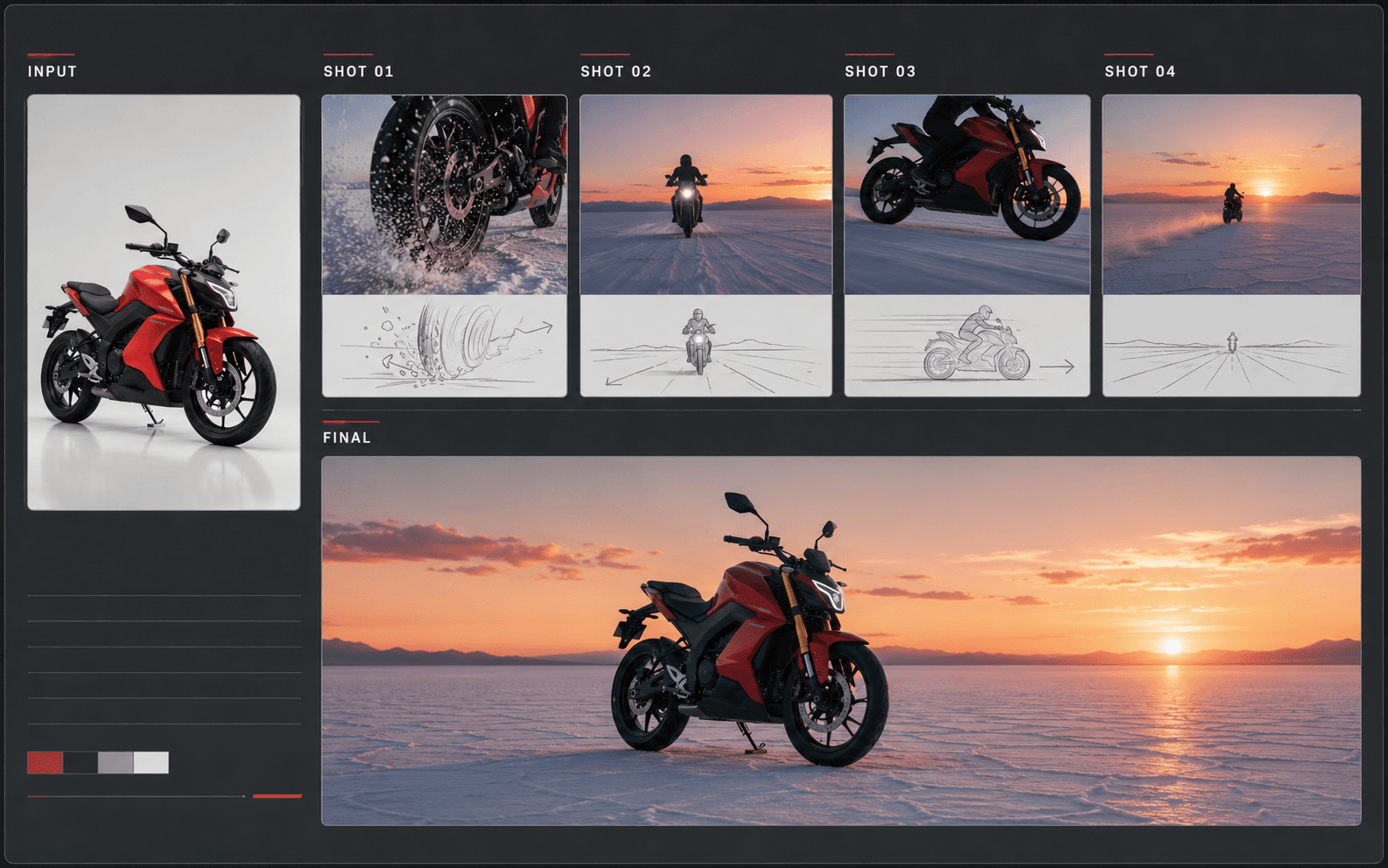
Turn one prompt into connected storyboard frames with shot direction, coherent layouts, precise captions, and detailed visual storytelling for film, advertising, and animation.
Try now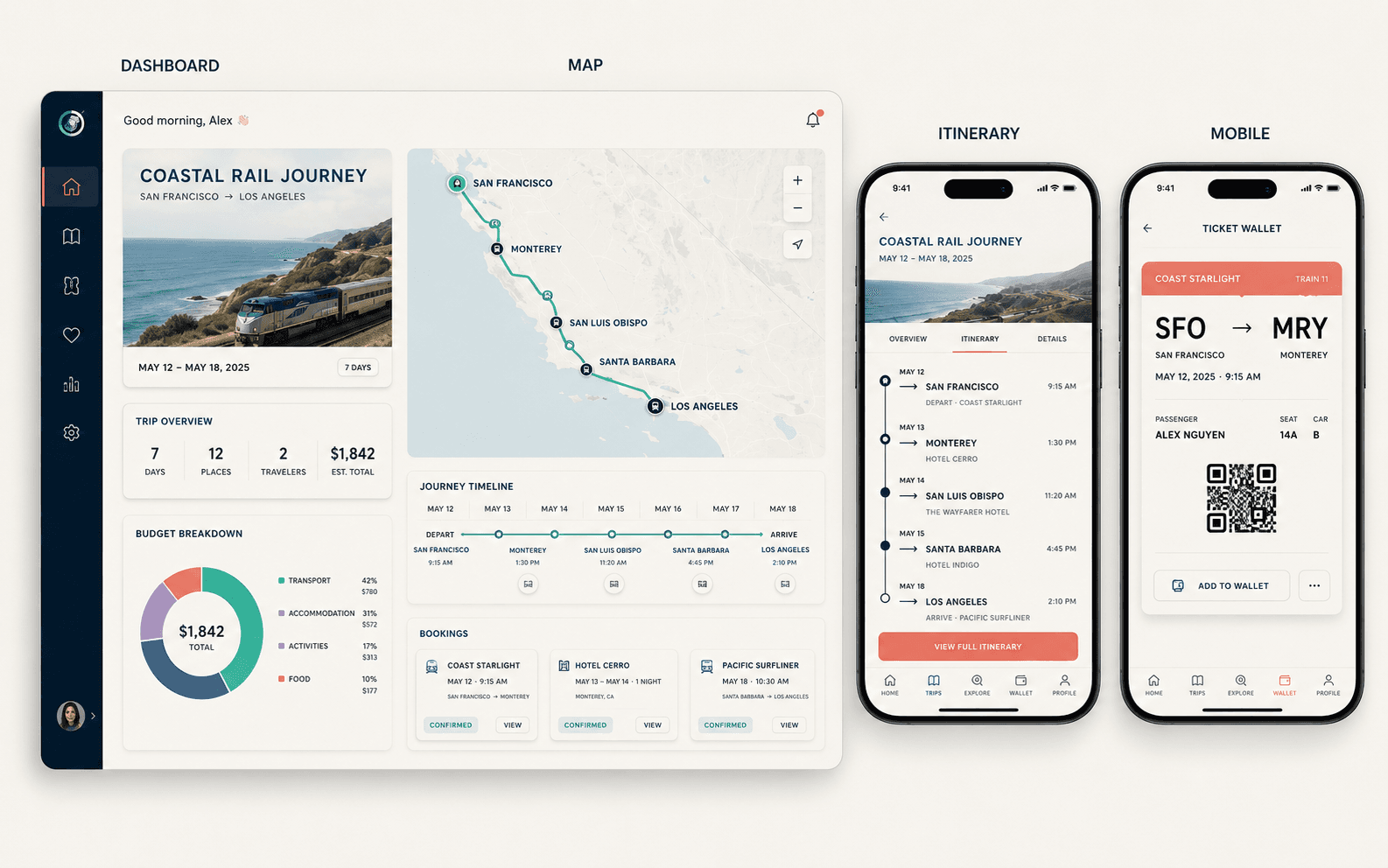
Create realistic websites, mobile apps, dashboards, game interfaces, and streaming layouts for design exploration, product prototyping, and interface production.
Try now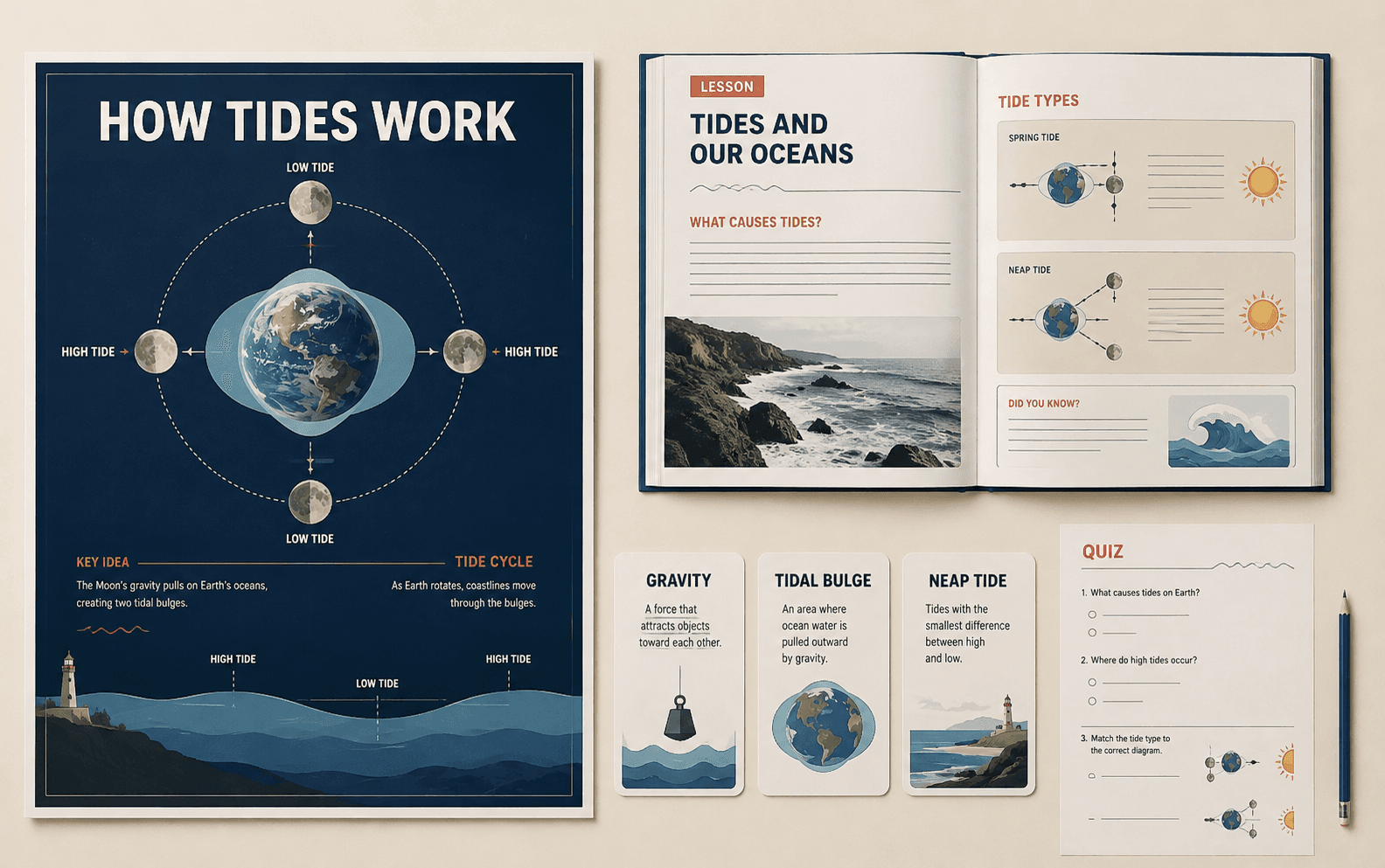
Produce exam sheets, teaching materials, scientific diagrams, infographics, and multilingual learning resources with structured layouts and clear typography.
Try now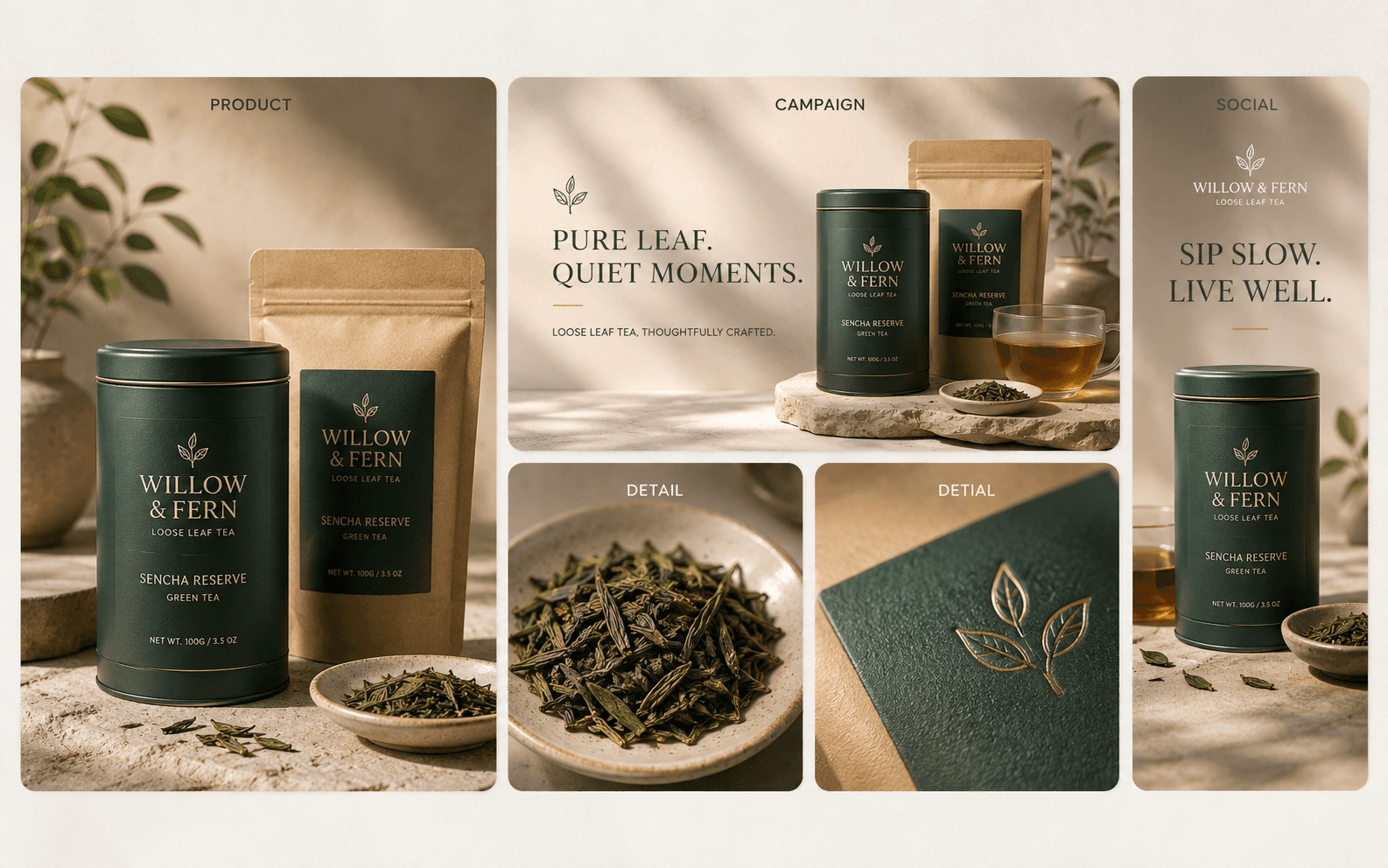
Generate product posters, promotional banners, social creatives, and branded campaign assets with realistic detail and production-ready layouts.
Try now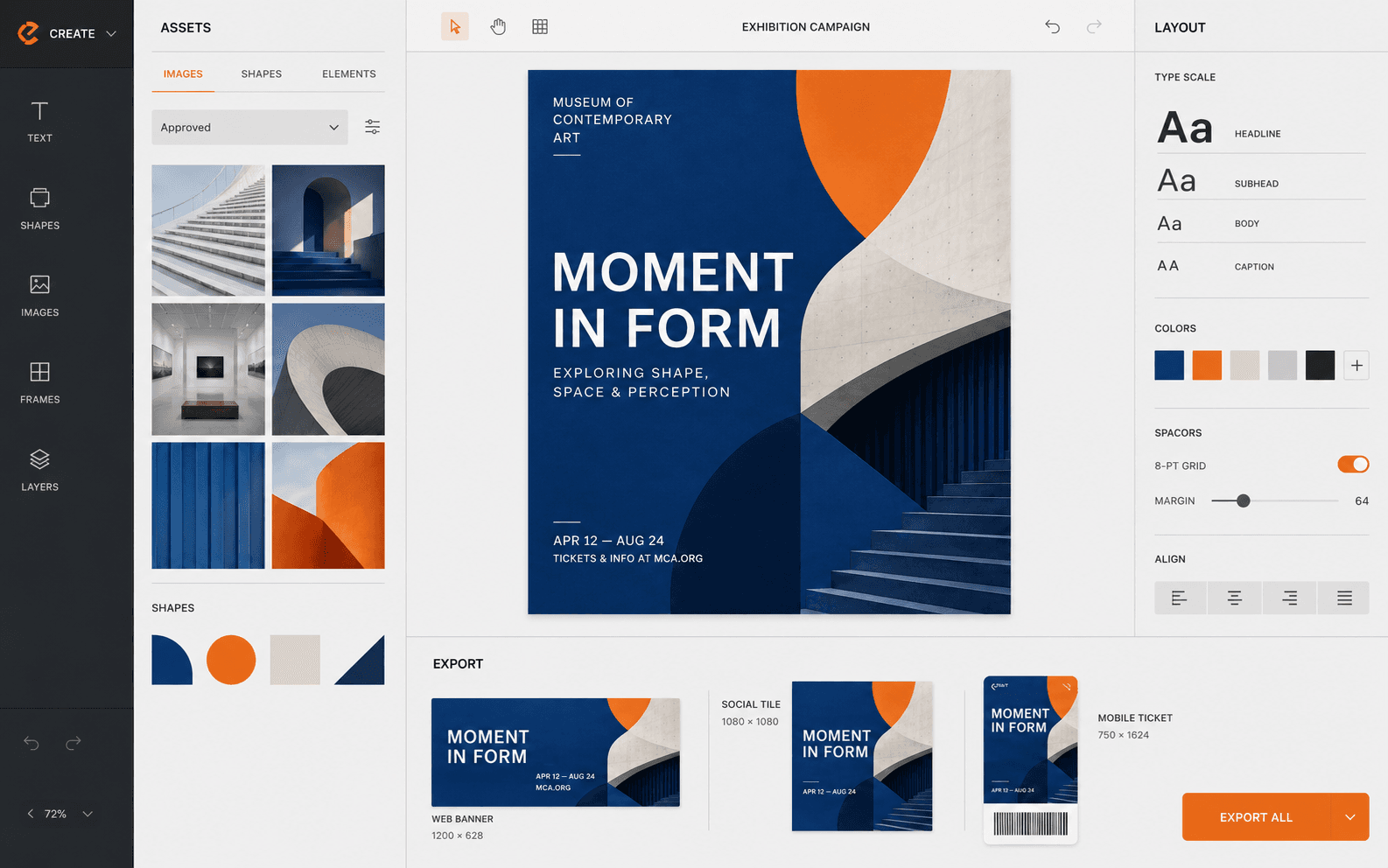
Automate document illustrations, infographics, UI concepts, and branded visual content for SaaS products, creators, agencies, and business teams.
Try nowStart a new image project
Return to the image workspace, refine the prompt and references, choose the output settings, and start generating.